

Most first-time guests ask for a morning sail, because morning sounds calmer. It is calmer. That is exactly the problem.
San Francisco Bay is one of the most reliable sailing venues in the world, and the reason is a wind that does not show up until the middle of the day. Book around it and you get a flat, pretty boat ride. Book into it and you get the thing the Bay is famous for. This is how that wind works, how fog and the seasons change it, and how to choose a time.
Where the wind comes from
It is not weather in the ordinary sense. It is closer to plumbing.
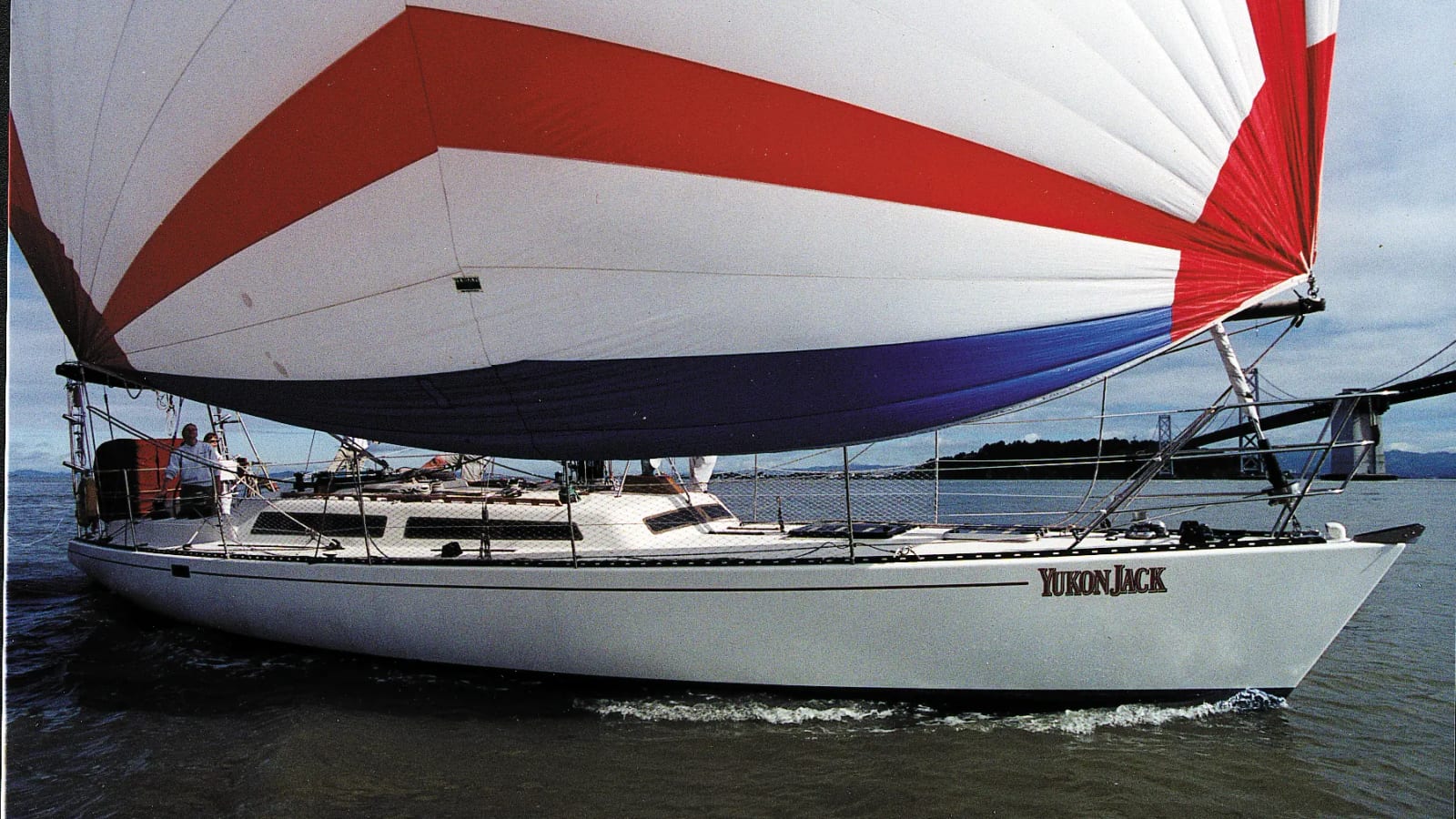
The water off San Francisco stays cold all year, and it keeps the air above it cool. Through the warm months the Central Valley bakes, often twenty or thirty degrees warmer than the city. Hot air over the valley rises and leaves low pressure behind it, and the cool marine air off the Pacific is pulled inland to fill the gap. The coastal hills block most of that flow. The Golden Gate is the one gap at sea level, so a huge volume of cold air funnels through a strait about a mile wide and speeds up doing it.
That is the afternoon westerly, and it is why the Bay has a dependable sailing breeze on days when the coast forty miles north has nothing at all. It also explains the rare exception: on a properly hot day in the city, when the coast is as warm as the valley, the pull disappears, the westerly fades, and the Bay can go light and even turn easterly.
What a summer day looks like
The pattern is consistent enough to plan around. Roughly, from May through September:
| Time | The Bay | Best for |
|---|---|---|
| Morning | Light and often glassy. Frequently overcast, sometimes fogged in near the Gate. | Nervous guests, small children, and anyone who wants to talk rather than hold on. |
| Around noon | The breeze starts to fill from the west. The water surface changes before you feel it. | Getting under way, so you are already sailing when it arrives. |
| Early afternoon | Established westerly. The boat heels, settles, and starts moving properly. | Everything. This is the sail people describe afterwards. |
| Late afternoon | The strongest breeze of the day, commonly in the twenties and occasionally near thirty knots. | Guests who want to be sailing rather than sightseeing. |
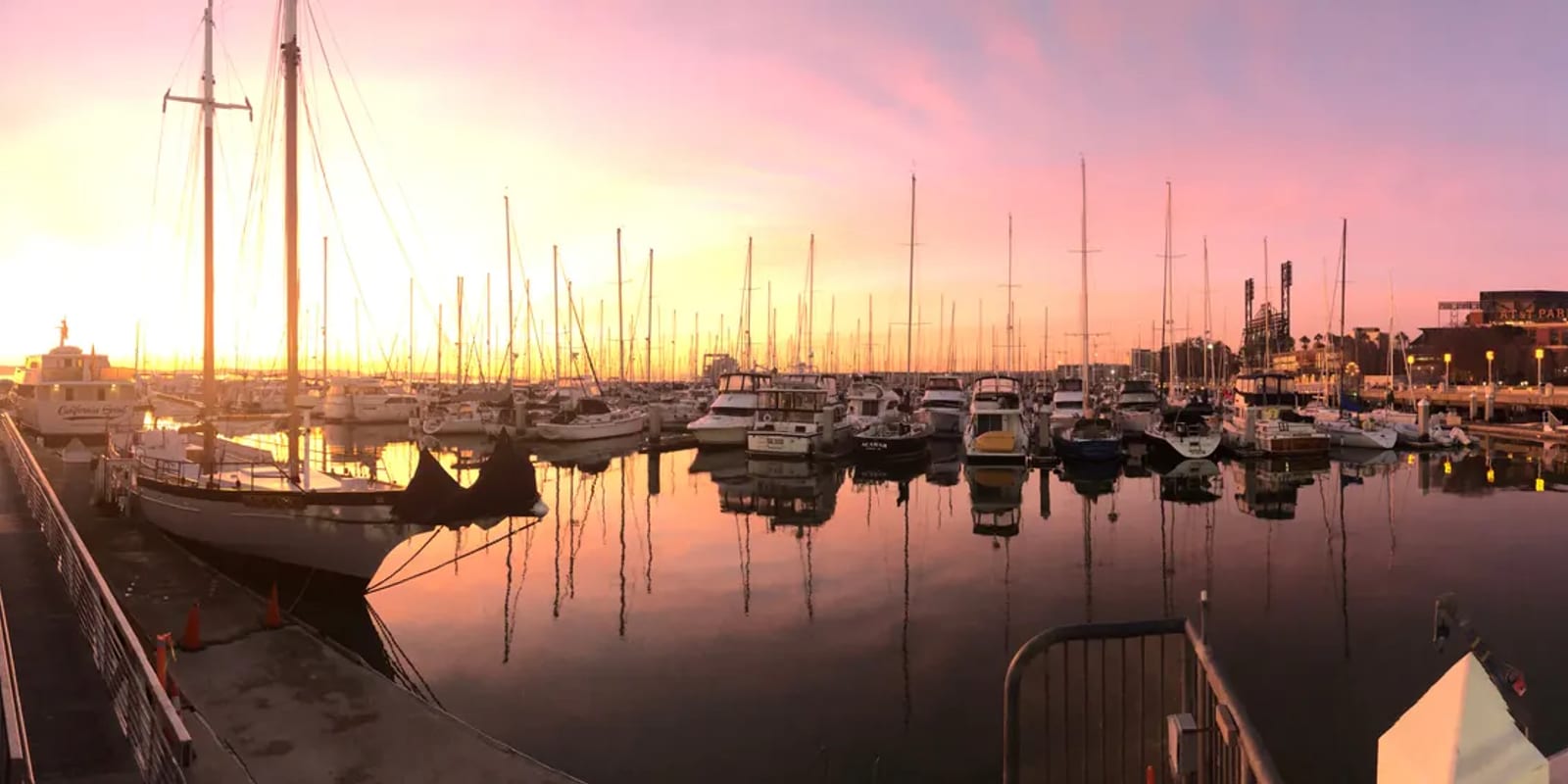
| Sunset | The wind eases back and the Bay goes quiet again. | Dinner cruises, and the light everyone photographs. |
How the year changes it
The afternoon westerly is a warm-season engine, so the Bay behaves differently as the year turns.
| Season | What the Bay does | What it means for a charter |
|---|---|---|
| Spring | The westerly comes back and builds as the valley warms. By May the afternoon pattern is back most days. | Brisk, lively sailing and fewer crowds than summer. |
| Summer | The full pattern: calm, grey mornings, strong afternoon breeze, and the most fog of the year near the Gate. | The classic Bay sail. Dress for cold even when the city is warm. |
| Autumn | The warmest, clearest weather of the year in San Francisco. The breeze still comes in, often softer. | Many sailors' favourite months. Warm afternoons and long views. |
| Winter | The westerly mostly switches off. Weather comes from Pacific storms instead: the wind swings to the south ahead of a front and round to the northwest behind it. | Between storms, clear and often calm. We watch the forecast closely and reschedule if a front makes it unsafe. |
Fog
Summer fog is the same cold marine air made visible. It usually sits outside the Gate and pours in over the headlands in the evening and early morning, which is why the Golden Gate Bridge can vanish while the city front is bright. As the afternoon westerly builds it often pushes the overcast back out, so afternoons are frequently the sunnier half of a summer day. Autumn brings the least fog, which is part of why it photographs so well.
Tides and currents
Wind is only half of it. The whole Bay drains and refills through the Golden Gate twice a day, and the current that makes can matter as much as the breeze to a sailboat. We cover how it works, and how captains plan around it, in tides and currents on San Francisco Bay.
It is colder than you are expecting
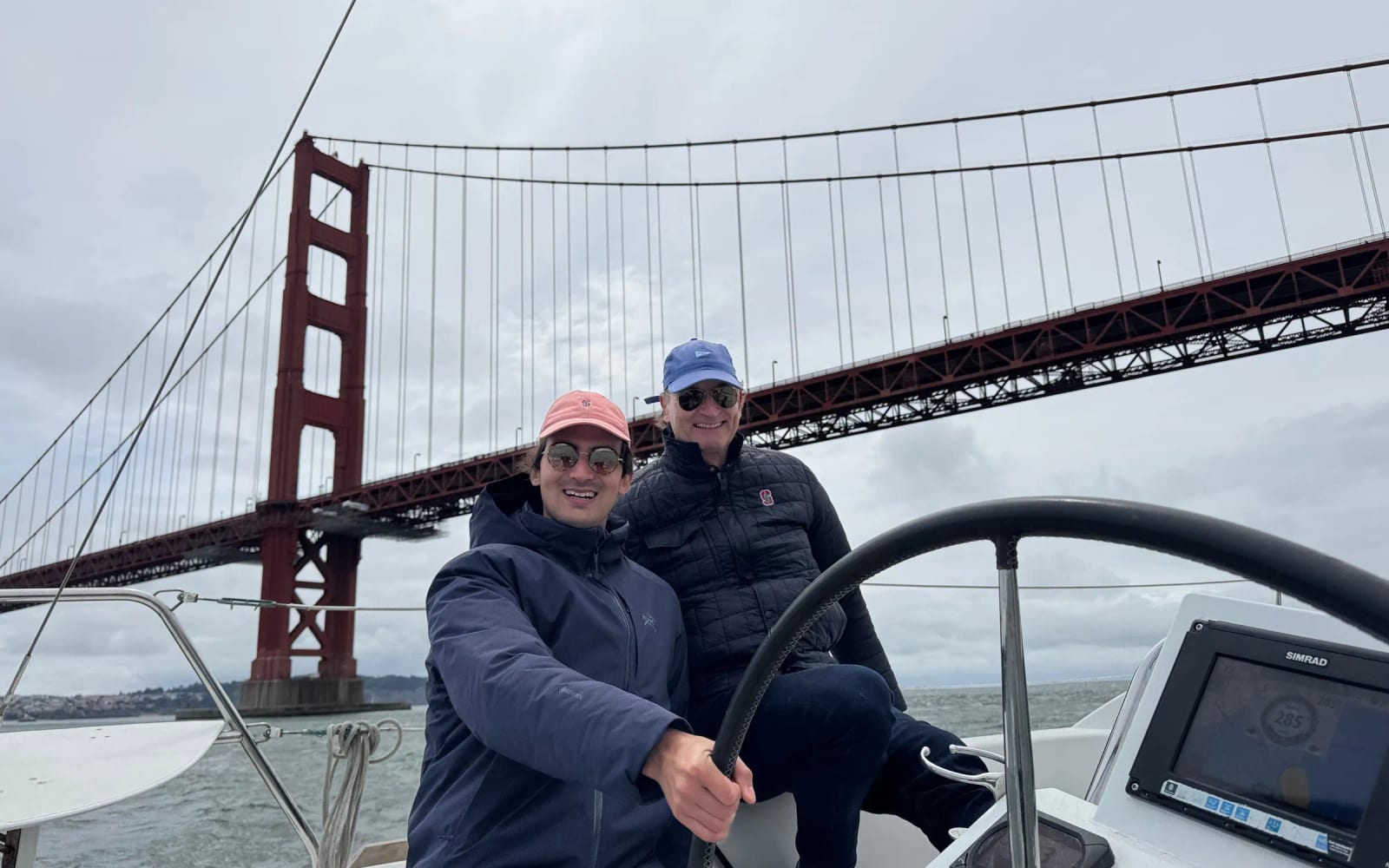
This is the one thing we tell every guest, and the one most often ignored. The wind that makes the sailing good is cold air straight off the Pacific, and it arrives at the same time as the sunshine. The Bay is a good ten degrees less forgiving than the sidewalk in the Mission. Bring an extra layer, make one of them windproof, and bring it even if the walk to the harbor was pleasant.
When the morning is the right call
The afternoon does not suit everyone, and we would rather say so when you book than halfway to Alcatraz. If somebody in the group is anxious about the water, if there are small children aboard, or if the point of the day is a long conversation and a meal, the morning is the better booking: flat water, gentle motion, and everyone can hear each other. The same goes for corporate groups where the sailing is the setting rather than the event.
So what should you book?
If you want the sail people talk about, aim to leave the dock around midday so the breeze arrives while you are already out. If you want the calm version, take the morning deliberately rather than by accident.
Either way, tell us which you are after. The fleet handles both, and when you ask about a charter the time of day is the first thing we will want to talk about.